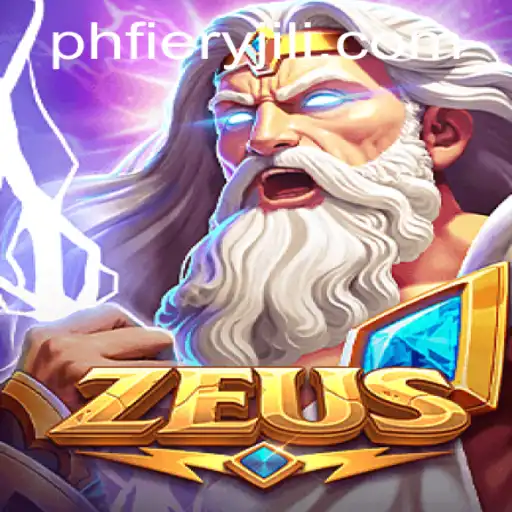
Zeus: The Game that Transcends Mythology with PHFiery
In a world where mythology and gaming blend seamlessly, Zeus emerges as a captivating experience that transports players to the realm of the gods. Combining ancient lore with modern creativity, Zeus is more than just a game; it is an adventure, an epic, and a saga that unfolds with every move.
The Introduction to Zeus
Zeus, named after the mightiest of Olympian gods, is not merely a game—it is a journey into the heart of Greek mythology. Designed for players who relish strategic thinking and immersive experiences, the game takes its inspiration from age-old tales of godly power, mortal heroes, and epic quests.
The setting of the game is Olympus, the seat of divine power. Players are invited to immerse themselves in this celestial environment, where the fates of gods and men intersect. The dynamic gameplay is designed to cater to both newcomers to the genre and seasoned players who seek a challenge beyond the ordinary.
Introducing PHFiery: The Crucial Element
What sets Zeus apart in the crowded marketplace of mythology-themed games is its integration with PHFiery, an innovative keyword that represents both a unique gameplay mechanic and a narrative device. With PHFiery, players gain access to a blend of fire and strategy, echoing the unpredictable and tempestuous nature of the gods themselves.
As players harness the power of PHFiery, they navigate intricate challenges and uncover hidden layers of mythology woven seamlessly into the game. This feature not only enriches the gameplay but also anchors players in an ever-evolving narrative influenced by both player decisions and external events.
Understanding the Rules of Zeus
Zeus offers a blend of cooperative and competitive gameplay, allowing players to form alliances or engage in strategic battles. Here are the fundamental rules that shape the game's unique experience:
1. The Pantheon
Players begin by choosing their deity from an elaborate pantheon, each with unique abilities and domains. Whether summoning storms as Zeus or weaving enchantments as Hecate, the choice of god influences the direction of gameplay and strategic possibilities.
2. The Olympian Quests
Central to Zeus are the Olympian Quests—epic challenges that test players' strategic acumen and knowledge of mythology. Completing these quests requires skillful use of PHFiery and collaboration, as they often involve significant narrative turns and unlock new storylines.
3. Strategic Alliances
In a nod to the complex relationships among Greek gods, players can forge alliances to strengthen their positions or garner resources. However, divine ties are fragile, and shifting alliances can lead to unexpected and intriguing plot twists.
4. The Divine Council
At the heart of decision-making lies the Divine Council, where players come together to vote on key events that affect the game's direction. These decisions can alter the balance of power among players, inject fresh challenges, and even reshape the world of Olympus itself.
Integrating Current Events
To keep the content as relevant and engaging as possible, Zeus also incorporates a unique feature where real-world current events influence gameplay. This integration adds an additional layer of realism and connectivity with players' everyday lives. For instance, players might find Olympus shrouded in shadow during actual solar eclipses or encounter challenges inspired by contemporary environmental events.
This dynamic interaction between the virtual world of Zeus and real-world occurrences ensures that each gaming session is fresh and unpredictable, echoing the ever-evolving nature of the myths themselves.
Zeus, with its compelling narrative, strategic depth, and the innovative use of PHFiery, stands as a testament to the timeless allure of mythology and the endless possibilities of modern gaming.